Are your blood sugar symptoms hiding something deeper?
They may not be “just diabetes.”
Small changes in energy, tingling in your feet, frequent urination, or “borderline” numbers can be early
warning signs.
New research suggests a microscopic trigger in the gut may quietly affect blood sugar, nerves, and circulation.
This free presentation explains the full picture in simple language.
Watch the explanation before your next blood test or appointment.
Common early signs people often ignore
— especially with prediabetes and type 2 diabetes.
Many people search for “diabetes symptoms”, “pre diabetes signs”, or “do I have diabetes?” because something doesn’t feel right — even when their last lab test looked “okay.”
These are some of the most common signs adults report:
- Feeling tired or drained most of the day
- Tingling, burning, or numbness in hands or feet
- Blurred vision or trouble focusing
- Feeling thirsty all the time
- Waking up at night to urinate
- Random spikes in blood sugar after meals
- Hard time losing weight, even with effort
- “Normal” numbers that keep creeping higher over time
These signs are not about fear. They’re simply your body’s way of saying “something in the system needs attention.” Understanding what’s happening inside can help you make calmer, more informed decisions.
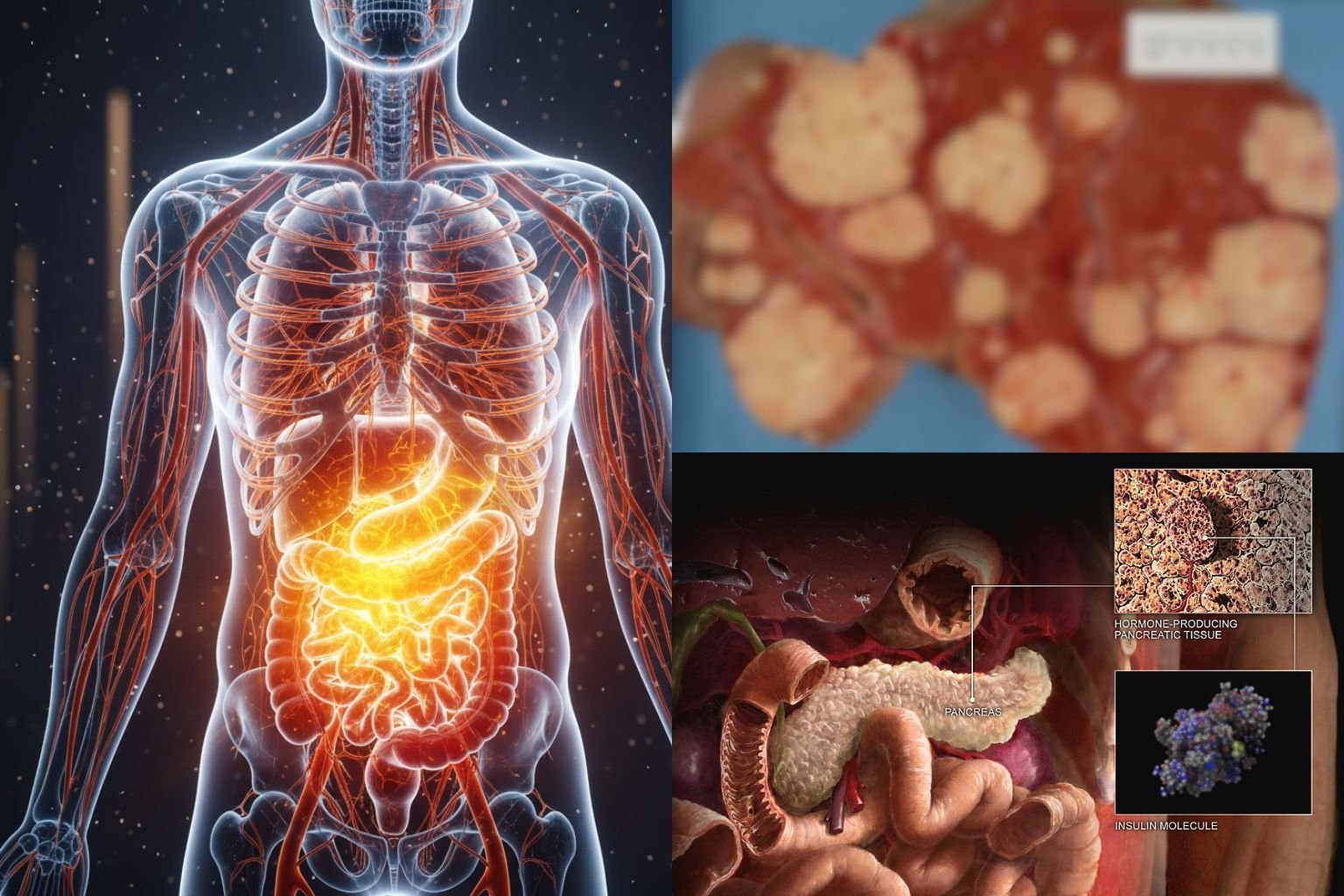
Symptoms often appear long before a formal diagnosis. The goal is awareness, not panic.
It’s not “just high blood sugar.”
New research points to a microscopic gut trigger.
For years, diabetes was explained only in terms of insulin and the pancreas. Today, scientists are looking closely at what lives inside the gut.
Some studies suggest that an imbalance of certain microscopic organisms may:
- Release compounds that interfere with normal blood sugar regulation
- Stress the pancreas and natural insulin response
- Affect circulation and nerve health over time
This helps explain why some people feel symptoms — tiredness, tingling, fluctuating glucose — even when they try to follow every instruction.
1️⃣ HIDDEN OVERGROWTH
A microscopic gut imbalance may quietly grow over time. In small amounts it may be harmless, but in excess it can start to disturb normal metabolic signals after meals.
2️⃣ MICRO-INFLAMMATION
As this imbalance persists, it may contribute to low-grade inflammation that stresses the pancreas and makes blood sugar harder to manage — even with diet and medication.
3️⃣ CIRCULATION & NERVE RESPONSE
Over time, this process can affect small blood vessels and nerves, which may explain tingling, cold feet or hands, and other long-term symptoms many people associate with diabetes.
These aren’t “random symptoms.” They’re signals your body is sending.
“My feet tingled at night and I felt exhausted by noon. My labs looked ‘borderline,’ but no one explained why I felt this way. The presentation finally connected my gut, nerves, and blood sugar.”
Shared after watching the educational video.
“I kept searching ‘diabetes symptoms’ and ‘can stress raise blood sugar.’ Understanding the hidden trigger made everything make sense without scaring me.”
Experience from someone living with type 2 diabetes.
“I thought tiredness was just age. When I saw how circulation and nerves can be affected, I finally understood the bigger picture behind my numbers.”
Example of how information can bring clarity, not panic.
“I had prediabetes for years. No one ever talked about the gut or microscopic changes. This was the first time I saw a step-by-step explanation I could actually follow.”
Result of watching the full explanation and asking better questions at her next appointment.
Questions people often Google but hesitate to ask their doctor.
❓ Is this only for people who already have diabetes?
No. The presentation is for adults with prediabetes, type 2 diabetes, or simply worrying symptoms such as tiredness, tingling, rising blood sugar, or a family history of diabetes.
❓ Does this replace my doctor or my medications?
No. This is educational information only and does not replace professional medical advice or treatment. The goal is to help you understand possible mechanisms so you can have clearer conversations with your healthcare provider.
❓ Does it talk about parasites, bacteria, or the gut?
Yes. The presentation explains one emerging theory about how a microscopic gut imbalance may influence blood sugar, circulation, and nerve health. It does not diagnose or treat any condition.
❓ Can type 2 diabetes be reversed?
Every case is unique. Some people may improve their numbers with lifestyle changes and medical care, while others need ongoing treatment. The video does not promise a cure; it explains underlying mechanisms so you can better understand what might be happening inside your body.

Understand what’s really happening inside your body,
instead of guessing from random symptoms and search results.
If you’ve ever typed “what’s a normal blood sugar,” “diabetes symptoms,” or “can type 2 diabetes be reversed,” you deserve a calm, science-based explanation. This free video walks through one emerging theory step by step — in plain English.
No sign-up required. You can pause, take notes, and discuss anything you learn with your healthcare provider.