The latest 2025 research on natural solutions for type 2 diabetes
Do natural treatments for diabetes actually work?
Can diabetes really be eliminated?
I want to reverse type 2 diabetes — what steps should I take?
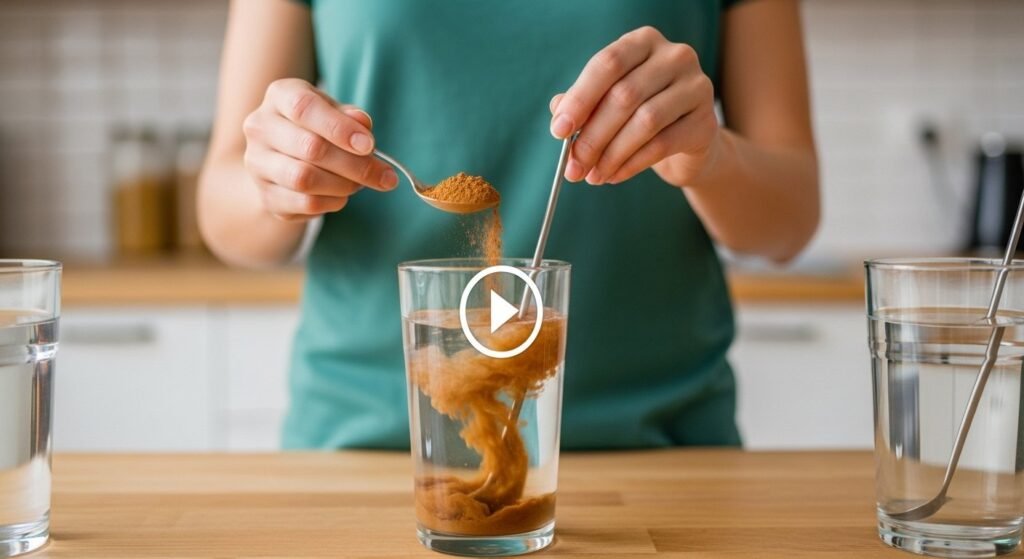
Dr. Robert Stevens reveals study on the natural solution that is supporting type 2 diabetes management
Many people search online for terms like “natural remedy for diabetes” or “how to reverse type 2 diabetes” because they’re tired of hearing the same solutions: more medication, more restrictions, and more fear about the future. At the same time, there has been growing scientific interest in understanding how chronic inflammation, environmental factors, and certain plant-based compounds may play a supportive role in glucose management and pancreatic health.
In the video below, you’ll hear the story of a medical researcher who, after being diagnosed with type 2 diabetes, spent years reviewing scientific studies, clinical data, and emerging theories about the condition. He explains—using simple language—how certain inflammation patterns may be linked to modern lifestyle factors, and how specific plant-based ingredients, including a variety of cinnamon researched by Swiss teams along with other natural compounds, have been studied for their potential to support metabolic balance.
The purpose of this content is not to promise a cure or make medical claims, but to offer clear, organized information for people who want to better understand the differences between traditional medications, lifestyle changes, and natural approaches supported by emerging research. If you’re interested in complementary strategies, natural metabolic support, or simply want a clearer view of what is behind so many claims about “reversing type 2 diabetes,” this video can serve as a helpful starting point.
Nothing you’ll see here replaces medical care, diagnostic tests, or professional treatment. Any decision involving supplements, dietary changes, or medication adjustments must be made together with a qualified healthcare provider. Use the video below as educational material to help you have better conversations with your doctor and make informed decisions about your health.

Frequently Asked Questions about Type 2 Diabetes
1. Is type 2 diabetes reversible?
+
Research shows that some people can improve glucose control through lifestyle changes such as nutrition, physical activity, weight management, and medical guidance. Results vary, and no natural method replaces professional treatment. Always talk to your doctor before making changes.
2. What natural foods may help support healthy blood sugar levels?
+
Foods such as cinnamon, green tea, legumes, vegetables, whole grains, and high-fiber foods may support metabolic health as part of a balanced diet. They do not replace medications or medical treatment.
3. What causes type 2 diabetes?
+
Type 2 diabetes is influenced by factors such as genetics, insulin resistance, lifestyle, and metabolic changes. Only a healthcare professional can determine the causes and the appropriate treatment for each person.
4. Can diabetes be managed without medication?
+
Some individuals improve glucose control with lifestyle changes, while others require medication. Only a healthcare provider can determine whether treatment adjustments are safe. Never stop or change medication on your own.
5. Why does my glucose stay high even with diet and medication?
+
Blood sugar may remain high due to stress, sleep patterns, hormones, diet, or how your body responds to medication. Persistent high readings should be evaluated by your doctor.
6. Which supplements may support metabolic health?
+
Ingredients such as berberine, cinnamon, chromium, magnesium, and alpha-lipoic acid have been researched for metabolic effects. Evidence varies, and supplements may interact with medications. Always consult a healthcare professional before using them.
7. What can cause inflammation in the pancreas?
+
Pancreatic inflammation may relate to metabolic issues, diet, alcohol use, gallstones, medications, or other conditions. Only a healthcare professional can diagnose and treat pancreatic problems.
8. What foods support insulin sensitivity?
+
Fiber-rich foods, antioxidants, and healthy fats—such as vegetables, fruits, whole grains, nuts, seeds, olive oil, and avocado—may support metabolism when part of a balanced diet. Consult a healthcare professional for personalized guidance.
9. Can insulin therapy worsen diabetes?
+
Insulin is a safe and essential therapy for many individuals. It does not worsen diabetes when used correctly. Only a doctor can determine if insulin is right for you. Never change doses without professional supervision.
10. How long does it take to see changes with lifestyle adjustments?
+
Results vary widely. Some people notice improvements over weeks or months depending on their habits and medical supervision. Regular check-ups are important.
11. What are the “cactus trick” and “Swiss cinnamon trick” I see online?
+
These terms are often used in online marketing and are not recognized medical treatments. Some plant-based foods like cactus (nopal) or cinnamon have been studied for metabolic effects, but they are not cures or substitutes for diabetes care. Consult your healthcare provider before relying on any natural product.
12. What do health professionals say about natural approaches to type 2 diabetes?
+
Health professionals acknowledge that diet, exercise, sleep, and stress management play key roles in diabetes management. However, no single food, herb, or supplement cures diabetes. Evidence-based medical care remains essential.
Disclaimer:
The information provided on this page is for educational purposes only and is not intended to diagnose, treat, cure, or prevent any disease. It should not be considered medical advice. Always consult a qualified healthcare professional before making any changes to your diet, medications, supplements, or lifestyle. Individual results may vary, and decisions related to your health should be made together with your doctor or licensed healthcare provider.